Leadership Retreat: Benefits, Importance, and How to Plan a Successful One
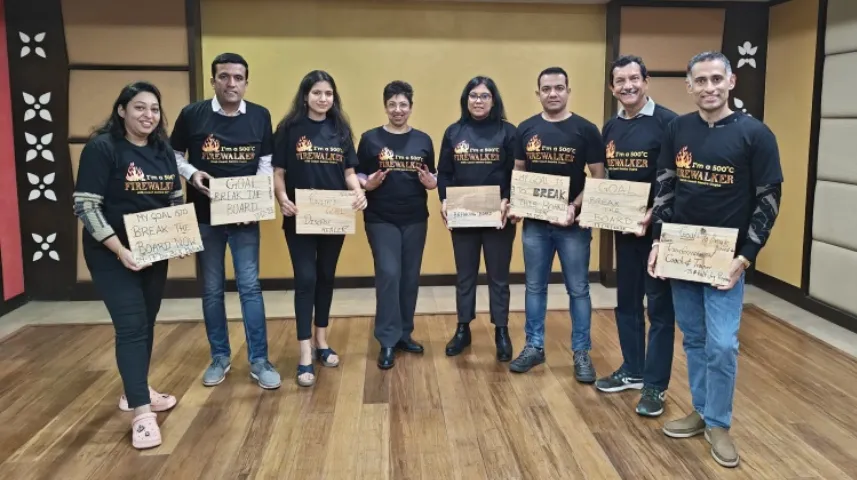
April 12, 2026
“Leadership is not about being in charge. It is about taking care of those in your charge.” - Simon Sinek
The contemporary, hectic and ever evolving business environment has made leadership less about team management but more about creating visions, innovating and leading to sustainable development. Yet, the majority of the leadership teams cannot leave their daily business and have very little time to think strategically or even cooperate.
In this case, a leadership retreat is a game-changer. It gives the leaders a time-out where they can escape the daily demands and meet in the area of priority, and build relationships that ultimately determine the success of the business.
A properly organized leadership retreat is not merely a work vacation- it is an effective investment in the future of your business. It aids in developing clarity, better decision-making and designing a cohesive direction that enables long-term outcomes.
What is a Leadership Retreat?
A leadership retreat is a structured offsite meeting in which the top management, executives or management teams meet to discuss strategic planning, team building as well as development of leadership skills.
Leadership retreats are scheduled to be devoid of distractions and create an environment where superior thinking and collaboration may thrive, unlike in normal meetings.
These retreats often include:
- Strategic planning sessions
- Vision alignment discussions
- Team-building activities
- Leadership development training.
- Innovation and problem-solving activities.
Why Leadership Retreats Matter in Today’s Business Environment
The contemporary world conducts business in a disruptive manner, it is disrupted by technological changes, the changing needs of the customer as well as the increasing competition. Leaders must be flexible, on track and progressive in order to overcome such obstacles.
These complexities can be dealt with through the leadership retreats so that they can have clarity and focus. They will allow you to:
- Pause and reassess business priorities
- Align leadership teams on goals and vision
- Address challenges proactively instead of reactively
- Build stronger interpersonal connections within leadership
Key Benefits of Leadership Retreats
The benefits of leadership retreats are varied and directly affect the performance of the business and the teamwork.
Enhancing Strategic Thinking and Vision
Long-term thinking is made possible by leadership retreats. Off the operations, you are able to deal with long-range strategies instead of doing a few things at a time.
This allows you to:
- Revisit your mission and vision
- Identify growth opportunities
- Plan future initiatives with clarity
Strengthening Team Alignment and Collaboration
Cross alignment amongst leaders may derail the pace and cause confusion at team levels.
A leadership retreat will facilitate the keeping of all people in the same channel by:
- Clarifying priorities
- Aligning on goals and KPIs
- Encouraging open communication
When leadership is aligned, the entire organization functions more efficiently.
Improving Decision-Making at the Leadership Level
When the leaders get time to think critically and work in a team, the decision-making becomes better.
Leadership retreats facilitate:
- In-depth discussions on key issues
- Consideration of multiple perspectives
- More informed and confident decisions
Encouraging Innovation and Creative Problem-Solving
The ability to be creative is usually constrained by a routine environment. New ideas and new visions can be triggered by a change of setting.
Leadership retreats promote innovation by:
- Promoting brainstorming sessions
- Allowing experimentation with new ideas
- Creating a safe space for unconventional thinking
Building Trust and Executive Cohesion
Strong relationships among leaders are essential for effective collaboration.
Leadership retreats foster trust by:
- Encouraging honest conversations
- Strengthening interpersonal connections
- Building mutual respect among team members
A well-planned retreat also acts as a corporate team bonding retreat, helping leaders connect on a deeper level and work more effectively as a team.
Leadership Retreats vs Traditional Meetings
Conventional meetings usually center on short term tasks and operations. These are normally time restricted and organized in short-term objectives.
The leadership retreats on the other hand are:
- Strategic rather than operational
- Collaborative rather than transactional
- Reflective rather than reactive
Key Differences:
- The meetings center on what is going on, whereas the retreats center on what is ahead.
- Meetings are habitual; retreats are purposeful and transformational.
- Meetings are not as deep, retreats allow a person to think and to align.
When Should Organizations Plan a Leadership Retreat?
The timeliness of a leadership retreat is an important factor.
You must think about organizing a retreat when:
- Introduction of a new business strategy.
- Expanding into a new market or stage of development.
- Dealing with significant obstacles or change.
- Feeling misaligned by leadership.
- Getting ready to plan annual/ quarterly.
Key Objectives of a Successful Leadership Retreat
Before planning a retreat, it’s important to define clear objectives.
Common objectives include:
- Making leaders fit on business objectives.
- Formulation of strategic plans.
- Enhancing the teamwork.
- Improving leadership abilities.
- Resolving complicated business problems.
Clear objectives ensure that your retreat delivers measurable outcomes rather than just discussions.
How to Plan a Leadership Retreat
Clear goals will ensure that your retreat does not result in discussions but does provide results.
Defining Clear Goals and Outcomes
Start by identifying what you want to achieve.
Ask yourself:
- What challenges need to be addressed?
- What outcomes should the retreat deliver?
- How will success be measured?
Specific objectives are a guide and enable you to create an agenda that is focused.
Choosing the Right Location and Environment
The surroundings are of great importance to the success of your retreat.
Choose a location that:
- Is away from daily distractions
- Encourages relaxation and focus
- Inspires creativity and collaboration
Popular options include:
- Resorts or offsite venues
- Nature-based locations
- Dedicated retreat centers
An appropriate place can boost the interest and performance to a great extent.
Designing an Effective Agenda
An organized schedule will make sure that your retreat is effective and in the right direction.
On your agenda, you must include:
- Strategic planning sessions
- Team discussions
- Breakout activities
- Reflection time
Do not overload the schedule. Striking equilibrium is central to energy and interest.
Incorporating Executive Coaching and Facilitation
Adding professional facilitators or executive coaches to your retreat is added.
They are useful in:
- Facilitating discussions efficiently.
- Guaranteeing the involvement of members.
- Giving impartial information.
- Staying on track and being effective.
Balancing Work Sessions with Reflection Time
Although organized meetings are necessary, it is also crucial to have a period of reflection.
Allow room in:
- Individual thinking
- Informal discussions
- Personal insights
Engaging Activities for Leadership Teams
Interactive activities may serve to improve the level of engagement and improve relationships.
Examples include:
- Team-building exercises
- Problem-solving challenges
- Outdoor activities
- Creative workshops
Common Mistakes to Avoid
Even good intentioned retreats may not work out unless they are well planned.
These are some of the pitfalls to avoid:
- Absence of clear objectives.
- Overloaded schedules
- Disregard of team dynamic.
- Concentrating on presentations as opposed to discussions.
- Failure to follow up on the retreat.
Measuring the Success of a Leadership Retreat
In order to measure the effectiveness of your retreat, you should measure results.
The measures of key performance include:
- Meeting of specific goals.
- Better team collaboration.
- Standard of decisions made.
- Respondent feedback.
- Execution of action plans.
Post-Retreat Action Planning and Follow-Up
The actual effects of a leadership retreat is what follows.
To make certain it will succeed, make sure that:
- Writing down important findings and conclusions.
- Developing strategy of action.
- Assigning responsibilities
- Establishing deadlines and goals.
- Holding follow-up meetings.
The Future of Leadership Retreats
Leadership retreats are also changing along with the changes in the business.
Some of the new trends are:
- Hybrid meetings that involve virtual and face-to-face.
- Information-driven decision-making meetings.
- Pay attention to the mental state and consciousness.
- More focus on diversity and inclusion.
Conclusion
Leadership retreats have ceased to be a luxury but a must in companies that wish to stay afloat, on track and forward thinking. They provide an opportunity that is rarely experienced by leaders to withdraw, reflect and have more meaningful relationships that result in long-term success.
So when you consider elevating your leadership approach to a whole new level and make your retreats valuable and efficient, you may contact Auraa to organize and implement proper retreats that would bring real results. Planning for immersive experiences, Auraa Image Management & Consulting will help your leadership team to become more coherent, focused and actionable in order to develop.
Invest in your leaders now- and see your business succeeding tomorrow.
Frequently Asked Questions
Q1. What is a leadership retreat all about?
Ans. The main aim is to manage the leadership teams, strategize and boost partnership in a distraction free environment.
Q2. What is the maximum time of a leadership retreat?
Ans. Most of the leadership retreats can last between 2 and 4 days depending on the objectives and the sophistication of the agendas.
Q3. Who are the participants of a leadership retreat?
Ans. Most of the time, top management, executives and decision-makers are engaged to achieve a sense of alignment and correct planning.
Q4. What is the frequency of businesses to hold leadership retreats?
Ans. Businesses ought to organize leadership retreats once or twice a year to help the organization to stay on track and focused.
Q5. What is a successful leadership retreat?
Ans. An effective retreat will entail having clear objectives, well planned agenda, involving and effective follow up measures.
Call: +91 9958934766
Email: samira@auraaimage.com
Website: www.samiragupta.com